What we teach
Curriculum
What we teach in the Tai Chi Curriculum, comprising ten (non-graded) sections. The Curriculum is intended as a guide for Teacher and Student. Each section is carefully introduced and interlinked to develop student’s skill levels. The student may not follow the syllabus in the order shown, as the student’s progression and abilities will determine what is taught at each stage.
Tai Chi Chuan martial art and self-defense is optional.
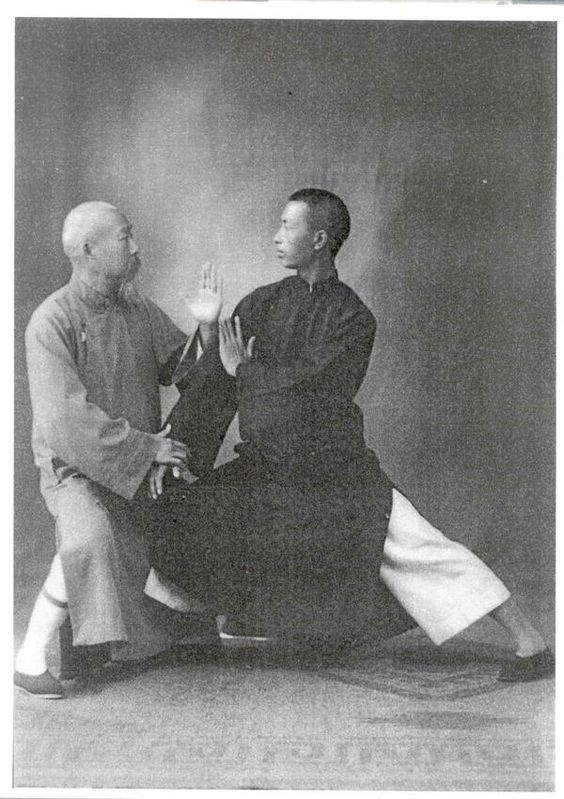
The three important aspects of training
1. Correct form practice |
Moving postures with structure. |
2. Zhan Zhong Chi Kung |
Standing pole |
3. Tui Shou |
Push hands practice |
These three approaches are the foundation to improve your Tai Chi, these are the three aspects of training which are the focus point within the curriculum.
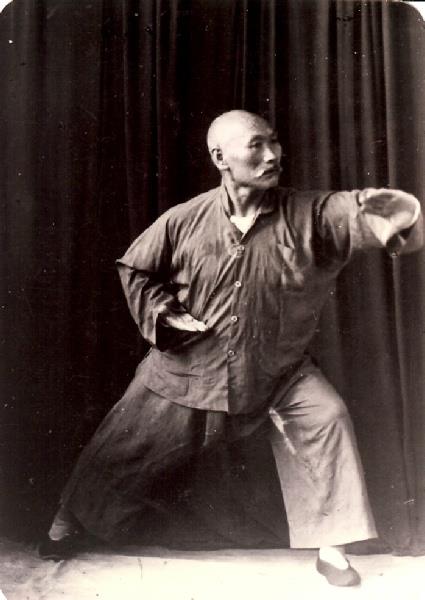
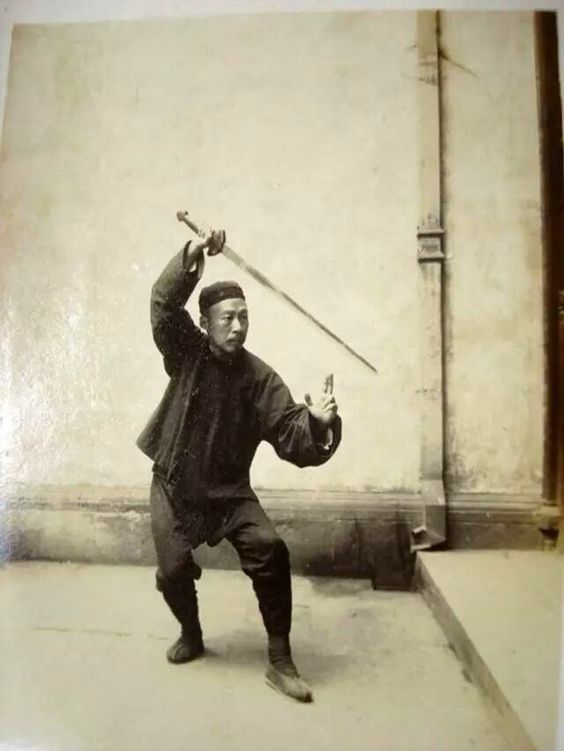
The Tai Chi Sabre, the Dao
The traditional Tai Chi Sabre, or Broadsword — often referred to as the Tai Chi Thirteen Sabre — is one of the major classical weapons in Tai Chi. This single‑edged, curved Chinese broadsword is practiced with fa‑jing (explosive power), dynamic footwork, and occasional leaps and jumps. As a training method, it develops internal balance while providing an exceptional full‑body workout, engaging every muscle and sinew.
The Tai Chi Sabre form uses a heavier weapon, which strengthens the body through techniques such as thrusting, stabbing, cutting, slicing, and chopping. The weight of the sword, combined with fast directional changes and spinning movements, builds physical fitness, wrist strength, and upper‑body flexibility. The joints of the shoulders, elbows, and wrists benefit greatly from this training.
Because the broadsword is heavier than other Tai Chi weapons, students learn to control it through body movement and coordinated footwork, rather than relying on arm strength alone. This creates a natural chain of connection: footwork → body → arm → sword. This principle of whole‑body power is a key lesson in body mechanics and greatly deepens one’s understanding of applied force.
The entire form is performed with a strong yet flowing quality, maintaining an unbroken rhythm of turns, spirals, and sweeping motions. Good posture, rooted stances, and controlled power are essential. Although the Sabre form is generally practiced at a slightly faster pace than the empty‑hand form, speed is ultimately a matter of personal preference, and students are encouraged to explore all tempos.
Relaxation is crucial. To execute the form correctly, the practitioner must use centrifugal and centripetal forces generated from the inner core, guided by intention and mental focus. This allows the broadsword to move with precision, fluidity, and effortless control.
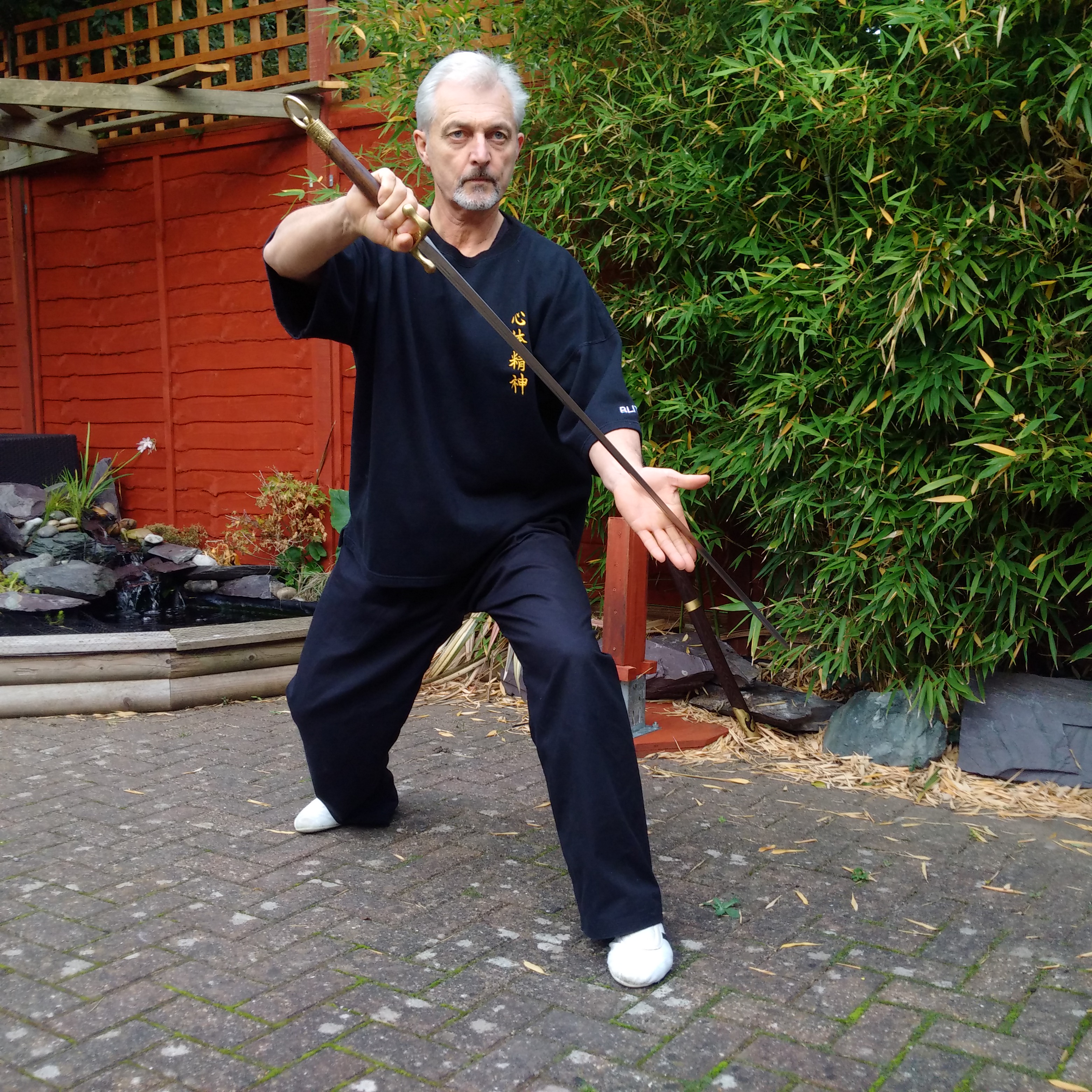
The Tai Chi straight, double‑edged sword
The Tai Chi straight, double‑edged sword — the Jian — is one of the most refined and elegant weapons in Tai Chi. Training with the Jian not only develops skill in sword handling but also strengthens the body and enhances the ability to project energy (chi) to the tip of the blade. Through this, the concept of internal projection becomes more precise and deeply understood.
In keeping with Tai Chi principles, Jian practice serves multiple purposes:
- a method of self‑defence,
- a practice for good health, and
- a form of meditation in motion.
The postures of the sword form are soft and flowing externally, while internally they cultivate strength, stability, and focused intention. The choreography develops the sinews, tendons, joints, and overall muscle tone. As the sword extends outward from the body, balance and posture improve, and the stances naturally deepen and strengthen.
The Jian form explores a wide range of angles, directions, twists, and turns, incorporating techniques such as cutting, thrusting, stabbing, and slicing. Through coordinated footwork and precise angles, the practitioner learns agility, rooted stability, and the ability to move lightly when required.
Mental focus and spirit are essential. Practiced with a calm yet alert attitude, the Jian form promotes a sense of control, clarity, and well‑being. It sharpens concentration while maintaining the relaxed, centred qualities that define Tai Chi.
Importantly, the Jian reinforces the core concepts found in the empty‑hand form. The principle of “stick before strike” remains central: maintaining connection, sensing intention, and responding with precision. In this way, the sword becomes an extension of the practitioner’s body, intention, and internal energy.
Pole Form
The pole form develops powerful twisting and thrusting movements that train the concept of projection, allowing energy to travel efficiently through the body and extend all the way to the tip of the pole. As a training tool, the pole offers an excellent full‑body workout, strengthening the wrists, arms, shoulders, and improving overall structural rooting through strong, stable stances — while still allowing the practitioner to move with speed and agility.
Light and flexible, the pole teaches the practitioner to issue fa jin